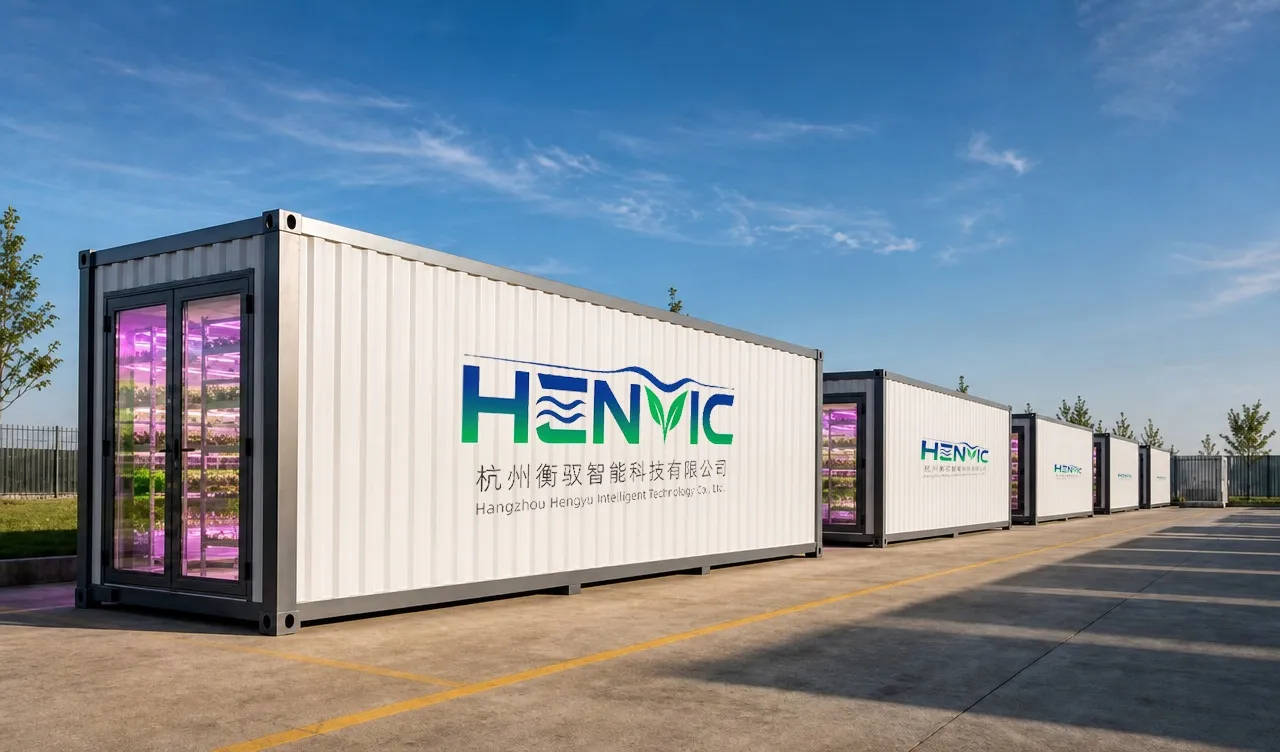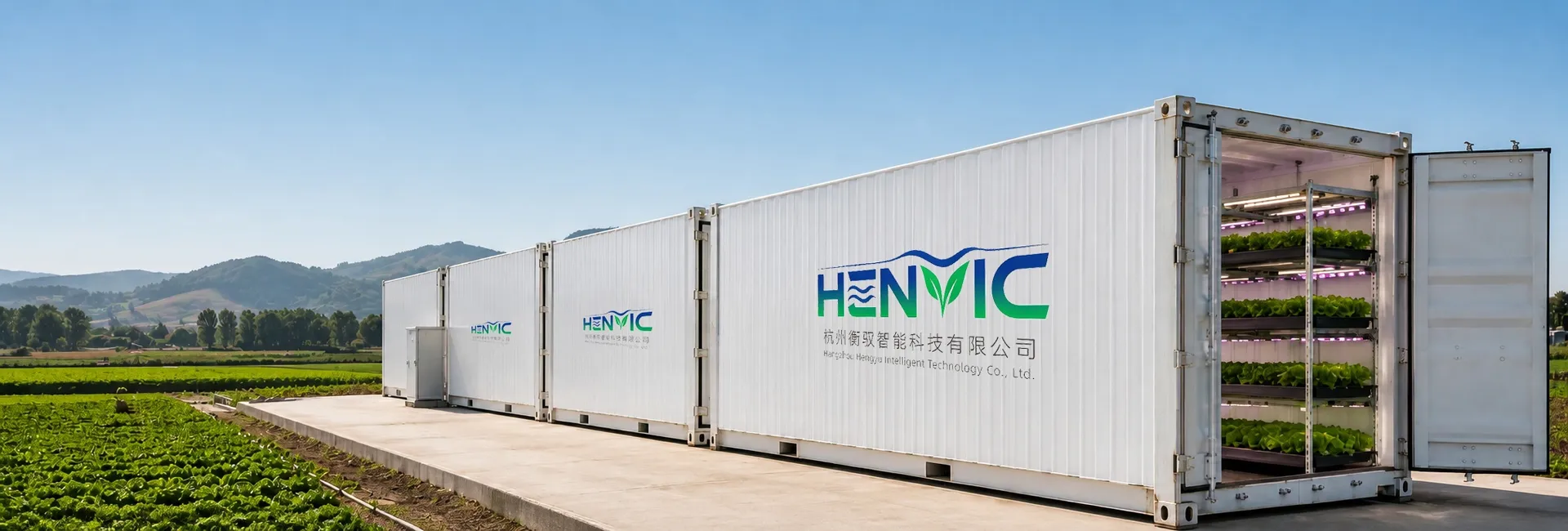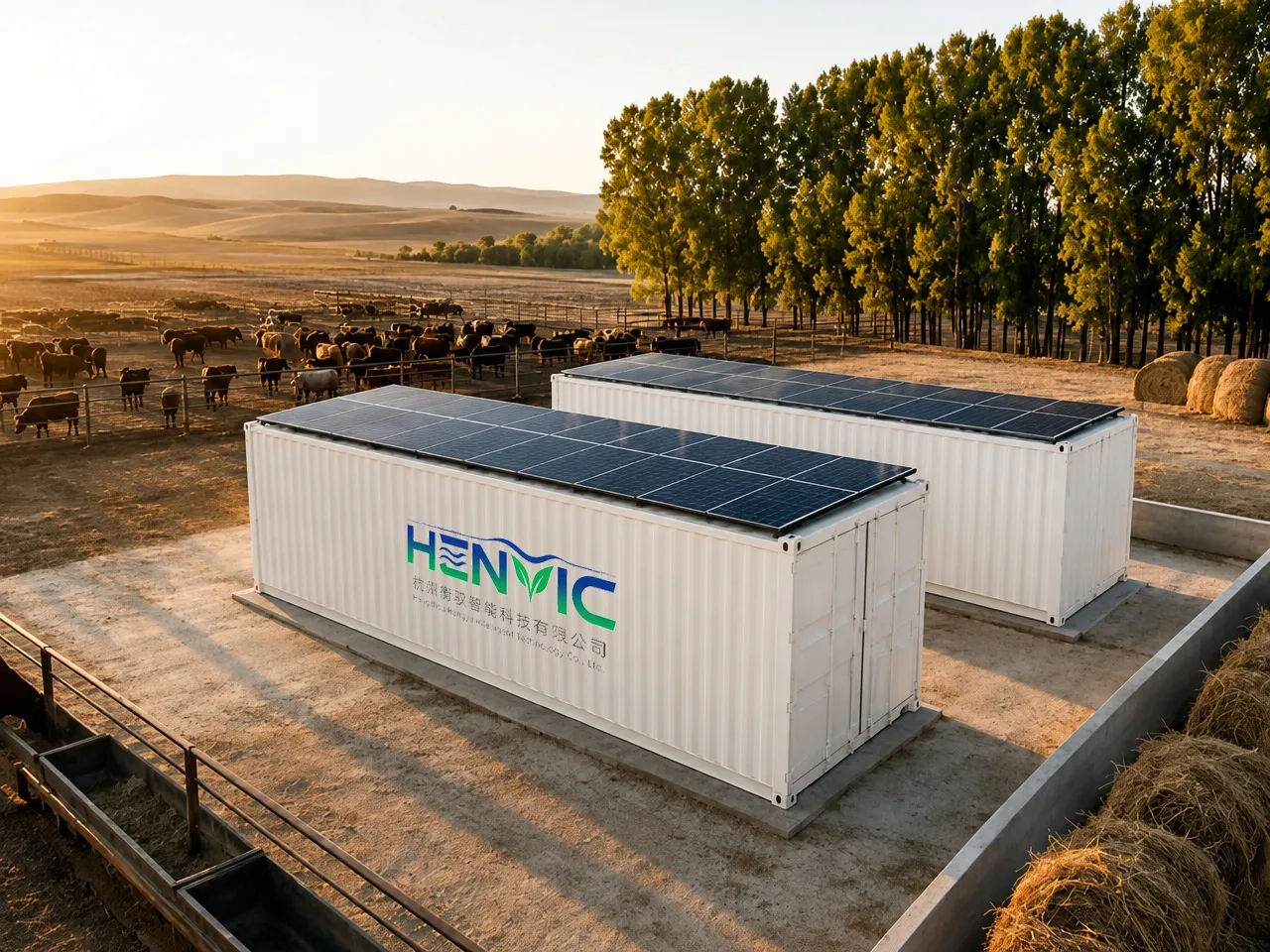
40 ft Mushroom Container Mini Oyster Mushroom Programme
PRODUCT OVERVIEW
At 19,200 kg a year, Mini Oyster Mushroom supply can be split weekly - more useful to wholesalers and restaurant chains than a single large shipment.
Humidification uses softened water to avoid mineral spotting on caps; drainage collects at a sealed sump so wash water does not stand on the floor.
A mainstay for small retail packs with uniform fruiting, well suited to steady weekly supply.
Research institutes run cultivar and process trials - substrate formulations, pinning temperatures, CO2 levels - with zoned control and data export for repeatable experiments.
CROP AND OUTPUT DATA
Species | Mini Oyster Mushroom (Specialty) |
Cultivation | Bag cultivation |
Flushes | 1 flush |
Growing cycle | 30 days |
Yield | 0.5 kg per bag |
Load per cycle | 3,200 bags |
Monthly output | 1,600 kg |
Annual output | 19,200 kg |
Cycles per year | 12 |
Figures follow the 40 ft mushroom container baseline: 3,200 bags per cycle, or 83 m² of compost bed for button mushroom. Output is an estimate and varies with substrate quality, fruiting climate and harvest practice.
KEY ADVANTAGES
· Bag supply and process training are included, so production starts on a batch basis.
· A fixed cleaning routine keeps downtime between batches short.
· Fruiting at 12 - 24 °C and 85 - 95% RH, set per species and independent of outside weather.
· Condensation-controlled envelope keeps walls from dripping onto the beds.
· Each unit runs independently, so parallel containers do not interfere.
· Batch climate records make yield variation traceable to its cause.
· Loading and harvest zones are separated to keep people and product flows apart.
· Filtered fresh air under positive pressure limits wild spores and competitor moulds.
CONTAINER CONFIGURATION
Footprint | 12.0 x 2.45 x 3.0 m (40 ft container) |
Growing system | Bag cultivation |
Load per cycle | 3,200 bags |
Temperature | 12 - 24 °C, set per species |
Relative humidity | 85 - 95% during fruiting |
CO2 and fresh air | Capped per species; filtered air under slight positive pressure |
Lighting | Staged lighting for cap form and colour |
Humidification water | Softened to limit mineral spotting on caps |
Control and monitoring | PLC, touchscreen HMI, remote monitoring and alarms |
Delivery | Pre-commissioned at the factory, set and connected on site |
CLIMATE AND CONTROL
The controller stores a recipe per species - pinning temperature, fruiting temperature, humidity ceiling, CO2 ceiling, photoperiod and air-exchange rate. At batch end, recipe and measured curves are archived together.
Humidification water is softened to limit mineral deposits on caps; floor drainage collects at one point, and cleaning uses fogging rather than heavy washing.
CULTIVATION AND SCHEDULING
Mini Oyster Mushroom runs in 30-day batches - loading, pinning, fruiting, harvest - with 3,200 bags moving together and one harvest scheduled each week to level labour.
The standard schedule assumes 3,200 bags per unit and 30-day batches, giving 12 cycles a year. With several units, stagger loading weekly so harvest, packing and cleaning do not collide.
DELIVERY, TRAINING AND SERVICE
The site needs a hardstanding, three-phase power and water; after setting, services are connected and the envelope checked for leaks before commissioning.
Warranty covers the envelope and insulation for 24 months and refrigeration, humidification, controls and fresh-air plant for 12 months, with extension available.
FREQUENTLY ASKED QUESTIONS
How is CO2 controlled during fruiting?
CO2 is capped per species and managed with fresh and recirculated air. High CO2 stretches stems and shrinks caps; low CO2 makes humidity hard to hold.
How many units can one operator manage?
One operator can cover daily rounds and harvest coordination for two to three units, with extra hands at loading and harvest peaks.
Is climate control difficult to operate?
The system runs the species recipe automatically; operators do rounds and handle alarms. The critical disciplines are softened water, positive pressure and thorough drying after cleaning.
Can several species share one unit?
Yes, but group species with similar temperature needs in one unit; species with very different requirements belong in separate containers or zones.