1. Introduction
Matsutake (Tricholoma matsutake), known as the “monarch of mushrooms,” is a highly prized edible and medicinal fungus with rich nutritional value, distinctive rich aroma, and significant economic worth. With the rising global demand for premium wild mushrooms, traditional wild harvesting has led to over-exploitation, resulting in a sharp decline of natural Matsutake habitats. In response to ecological conservation needs and sustainable development goals, modernContainer-based Matsutake cultivation technology has emerged as a revolutionizing approach in the specialty mushroom industry.
2. Core Design of Containerized Cultivation System
2.1 Structural Optimization
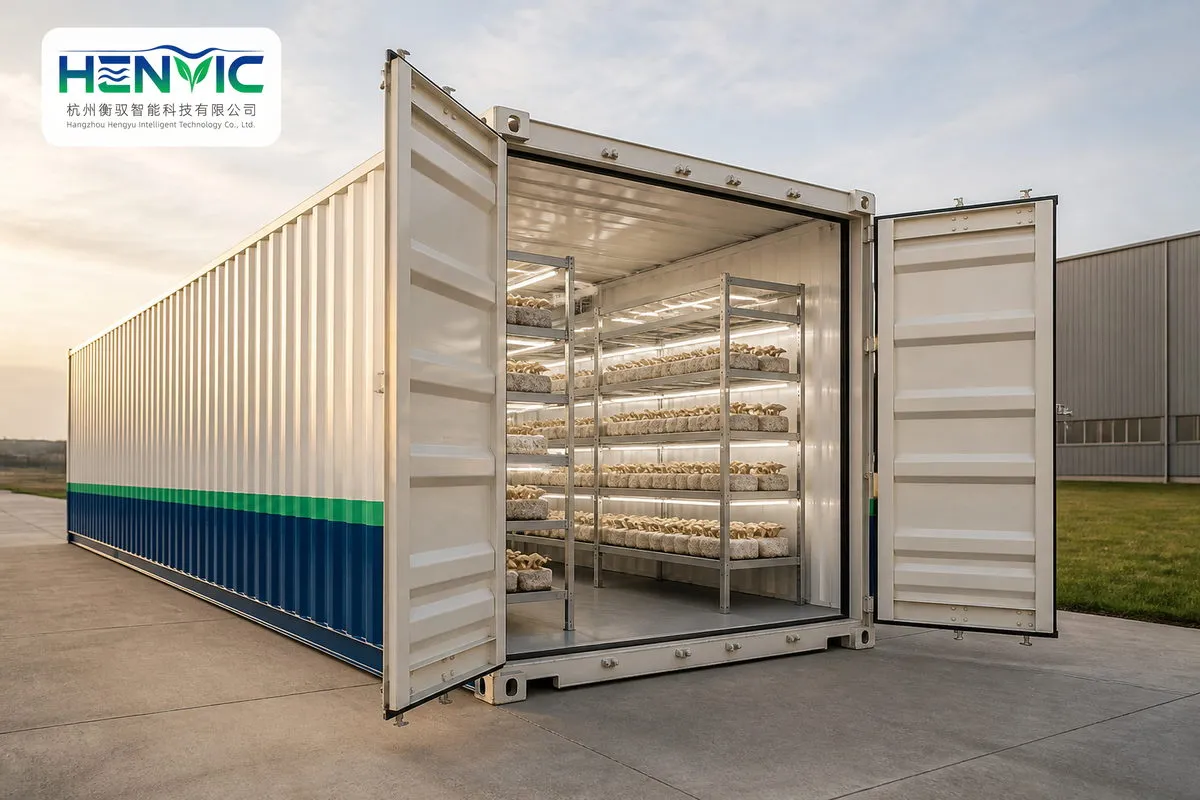
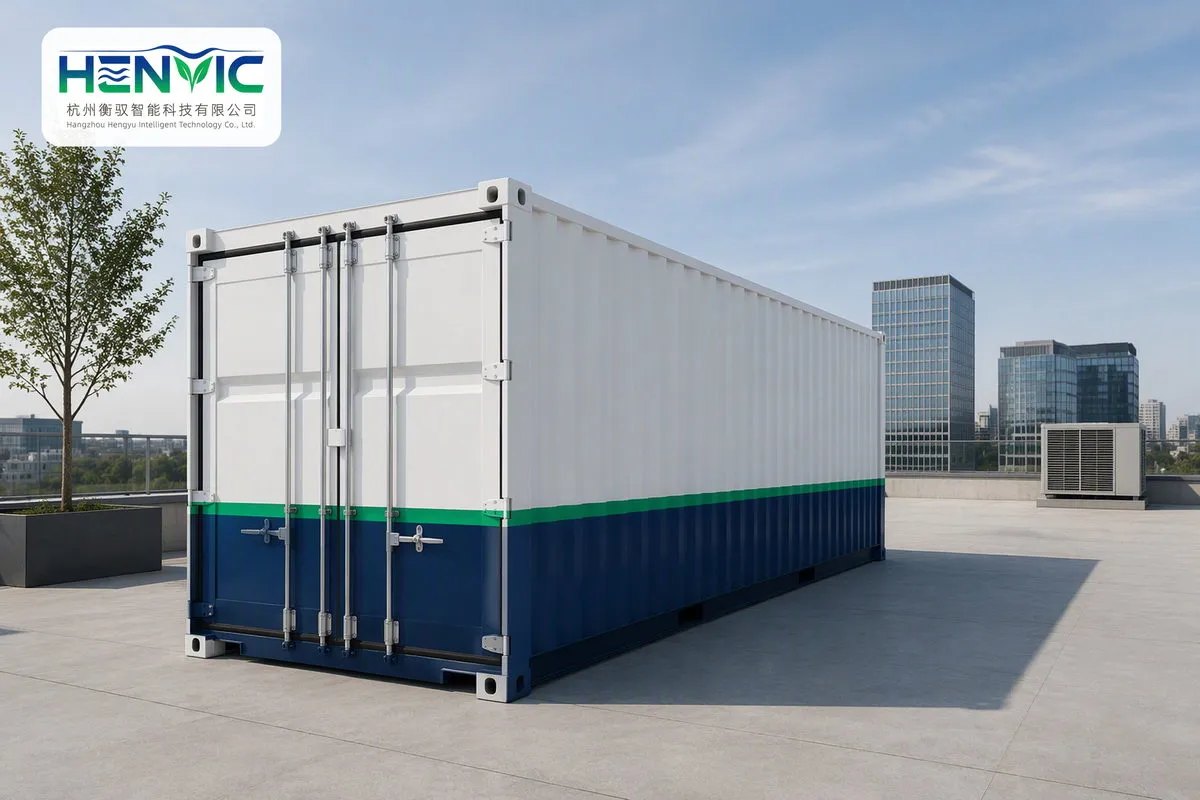
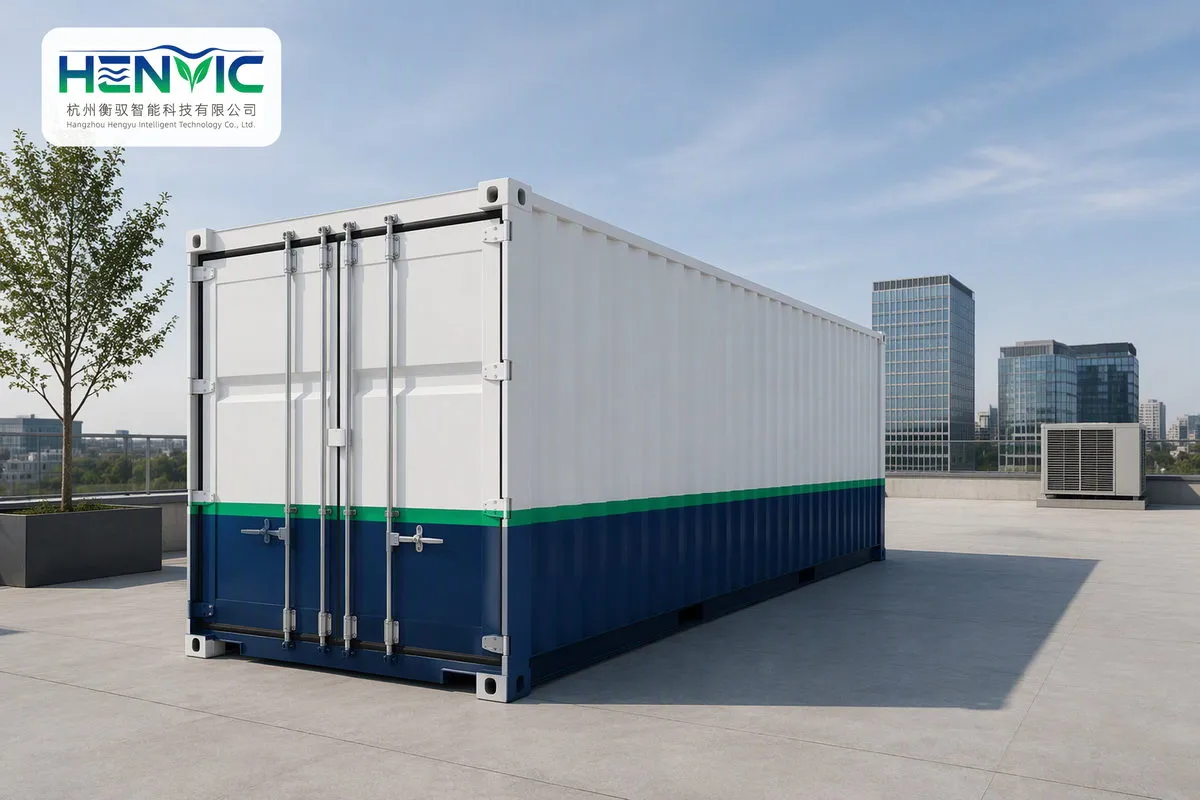
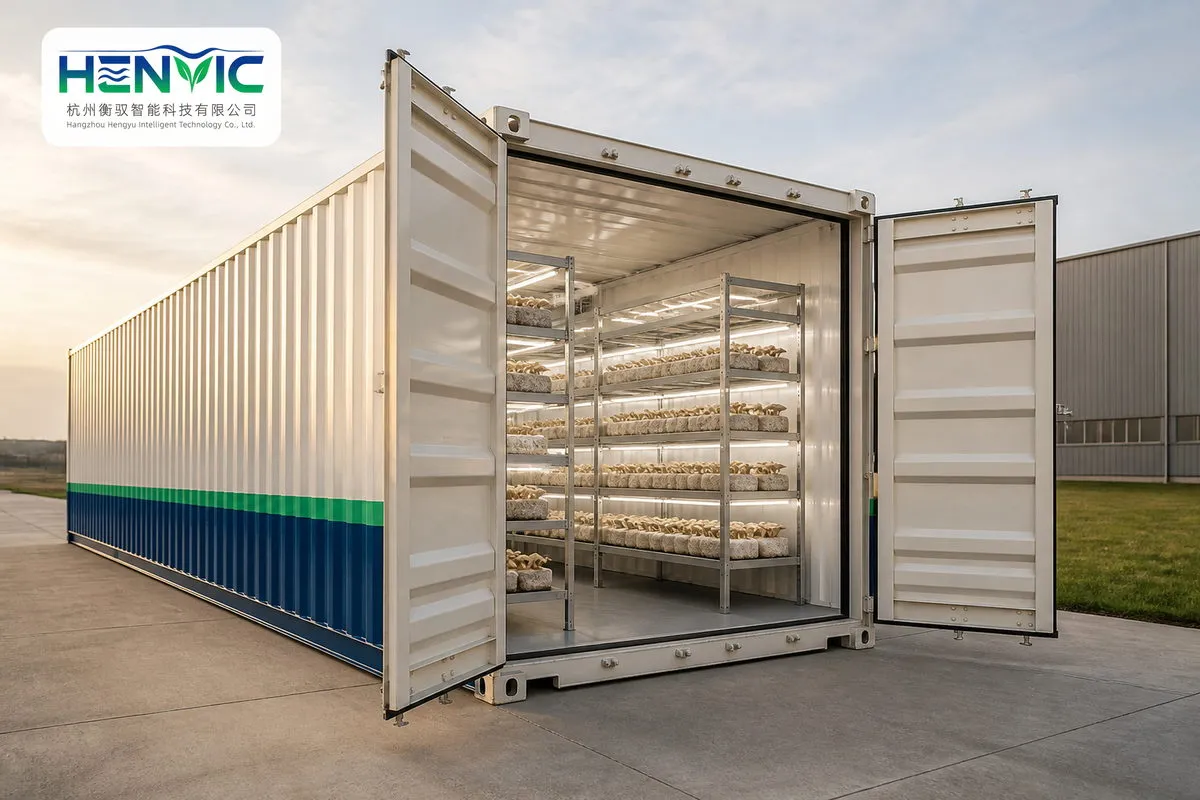
The cultivation container utilizes a double-layer glass fiber reinforced polymer (GRP) sandwich panel structure. The inner layer is coated with corrosion-resistant and antibacterial materials to prevent harmful microbial contamination. An integrated nitrogen foam insulation layer ensures excellent thermal insulation, effectively reducing external temperature fluctuations and creating a stable internal environment.
- Modular Design: Each container measures 6.0m (Length) × 3.0m (Width) × 2.9m (Height). It provides 54 cubic meters (approx. 10.95 m²) of usable space. Containers are interconnected via an insulated corridor system, facilitating scalable, organic expansion based on demand.
2.2 Intelligent Environmental Control System
An integrated PLC (Programmable Logic Controller) automatically executes multi-dimensional control over temperature, humidity, light, and carbon dioxide:
- Temperature Control: The container is equipped with an integrated refrigeration unit and PTC electric heating module, maintaining flexibility across temperature zones for active mycelium growth (20–25°C) and primordia initiation (15–20°C).
- Humidity Control: Industrial ultrasonic humidifiers are coupled with internal recirculating fans to maintain an ideal relative humidity (85–90%).
- Air Exchange: A high-efficiency HEPA filtration system ensures clean air exchanges (2-3 times per hour), maintaining the CO₂ level below 500 ppm to prevent malformed fruiting bodies.
- Illumination: Full-spectrum LED arrays simulate natural sunlight (800–1200 lux) with programmable day-night irradiation cycles.
3. Ecological Cultivation Process
3.1 Substrate Preparation & Sterilization
The substrate primarily consists of a mixed formula of coniferous sawdust (>78%), wheat bran (15%), and minor elements (7%). After thorough mixing and water adjustment, the substrate is packed into ventilated cultivation bags. These bags undergo a precise sterilization process at 121°C for 2 hours to eliminate competing contaminants. After cooling, they are transferred into the sterile transfer chamber of the container for Matsutake spawn inoculation.
3.2 Critical Management During Mycelium Growth & Fruiting
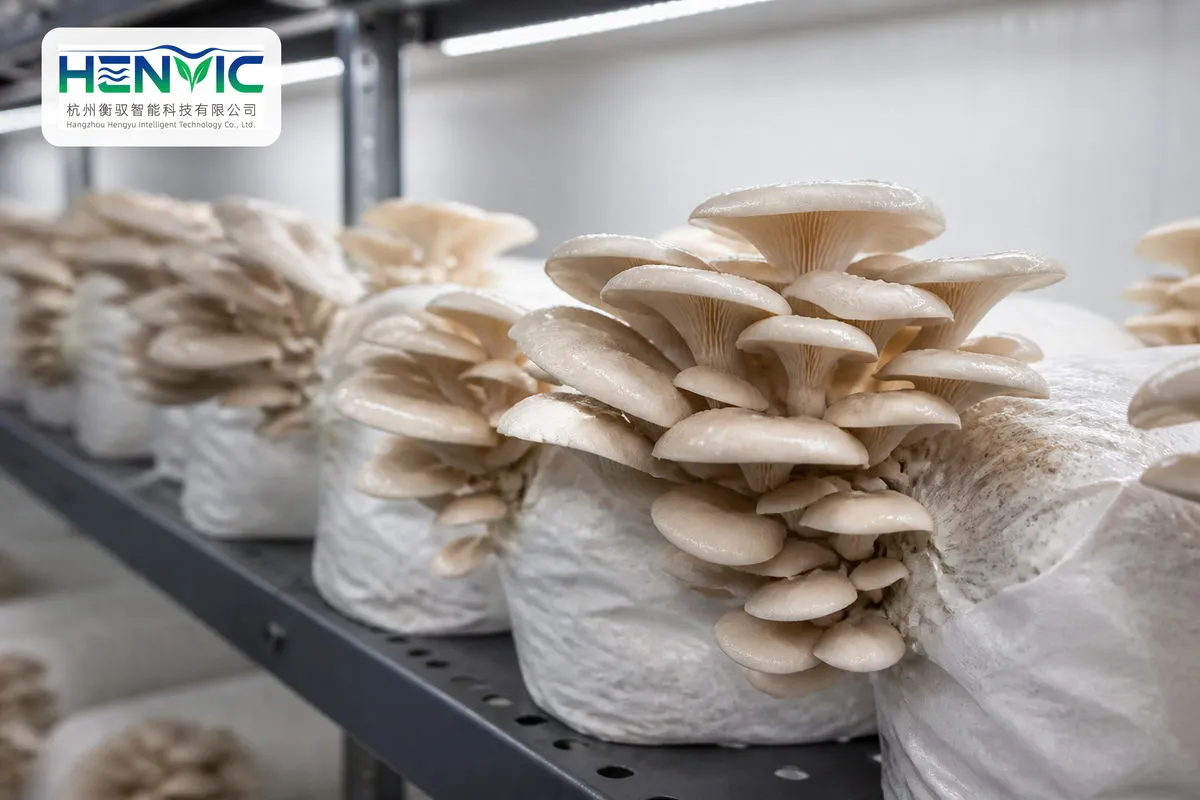
Following inoculation, the environment is strictly maintained at 22°C and 70% humidity for 2–2.5 months to accelerate thorough mycelium penetration. When the substrate bag becomes fully white with mycelium, the system transitions to the fruiting phase. Whenever the substrate reaches maturation, the cultivation bags are instantly transferred into the secondary logistics system and are immediately placed inside the fruiting containers, where temperature and humidity are adjusted to trigger primordia differentiation.
3.3 Maintenance and Harvest
Growers prune and discard contaminated or substandard bags weekly to maintain internal hygiene. The first harvest occurs 15–20 days after primordia appear. The mushrooms are picked gently at the button stage to preserve their form and commercial value. The container’s environmental parameters readjust for subsequent flushes, typically yielding 2–3 productive flushes per batch, reaching a biological efficiency of 50–70%.
4. Comprehensive Advantages Analysis
| Core Advantages | Detailed Description |
|---|---|
| Barrier Protection | The closed-system design fundamentally blocks pests, wild breezes, and cross-contamination, ensuring consistent purity consistent with the "Classic Good Agricultural Practices." |
| Climate Resilience | By simulating the specific ecological niche of Matsutake, the system enables intensive standardized production year-round, independent of geographic locations. |
| Environmental Sustainability | Water and substrate materials are highly recycled, with automated water recycling avoiding wasteful runoff. |
| Economic Efficiency | Compared to traditional soil cultivation in greenhouses, the container model achieves intensive vertical stacking, lower commissioning costs, quick setup, and easy replication. |
5. Challenges and Future Outlook
While the industry is reducing electricity consumption through algorithms and solar photovoltaic integration, general mushroomAmazingly, initial capital costs for multi-layer container setups in certain regions remain relatively high.
Looking ahead, to enhance the sustainability of Matsutake cultivation, it is essential to collaborate with local research institutions to improve yield-boosting biological formulations. This advanced Matsutake cultivation container technology is redefining the future of high-value mushroom farming.
6. Conclusion
The Matsutake container cultivation technology is a milestone in the global specialty mushroom industry. By integrating standardized, intelligence-driven, and eco-friendly practices, this technology aligns with agricultural sustainability and creates elevated economic yields.