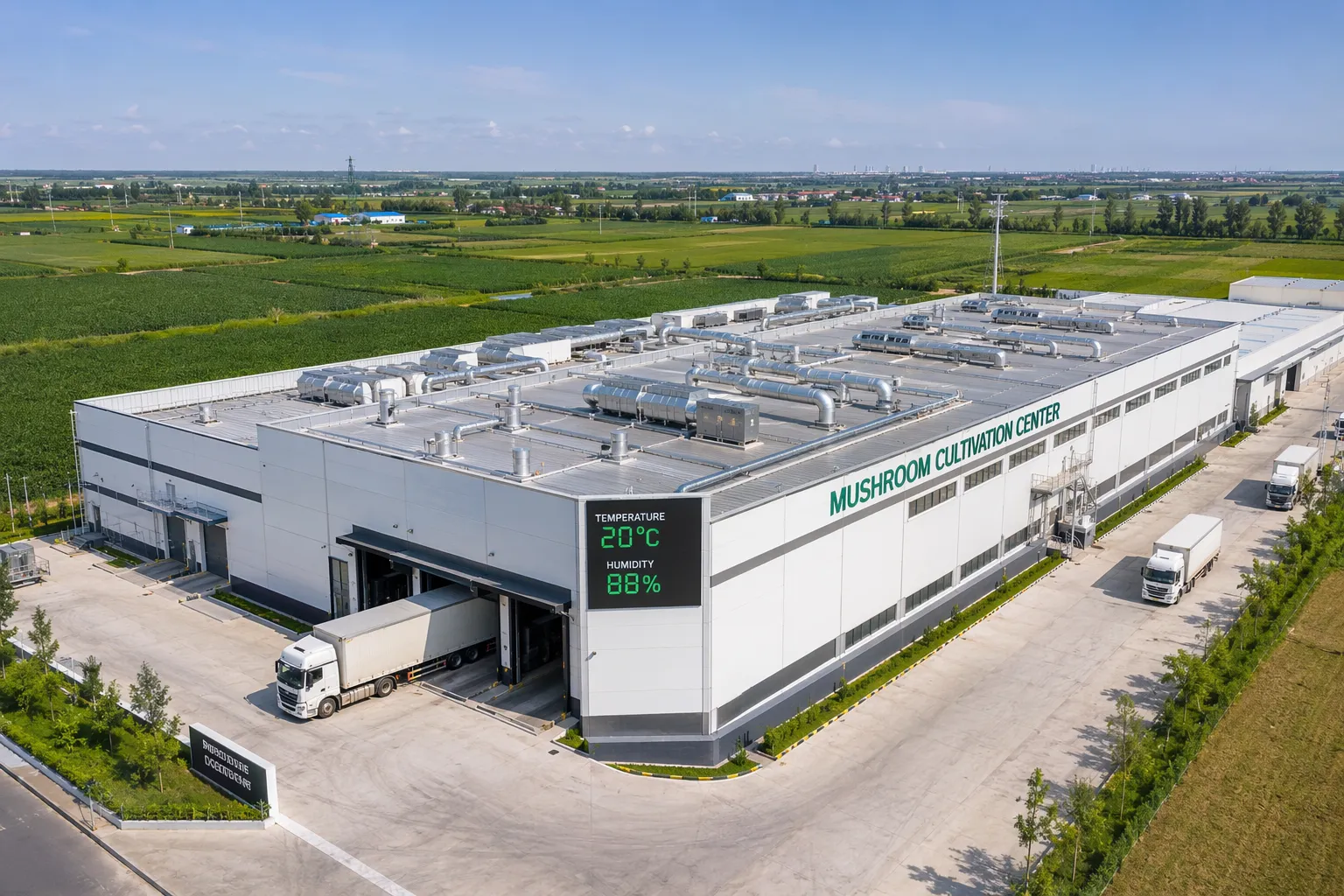
Introduction
In the ever-evolving landscape of global agriculture, the quest for sustainable, efficient, and scalable food production methods has led to the emergence of vegetable cultivation containers as a revolutionary technology. These advanced systems, prevalent in many developed countries, are transforming how vegetables are grown, harvested, and distributed, offering a sustainable solution to food security challenges. This article delves into the essence, advantages, and global impact of vegetable cultivation containers, highlighting their role in reshaping international agriculture.
The Concept ofVegetable Cultivation Containers
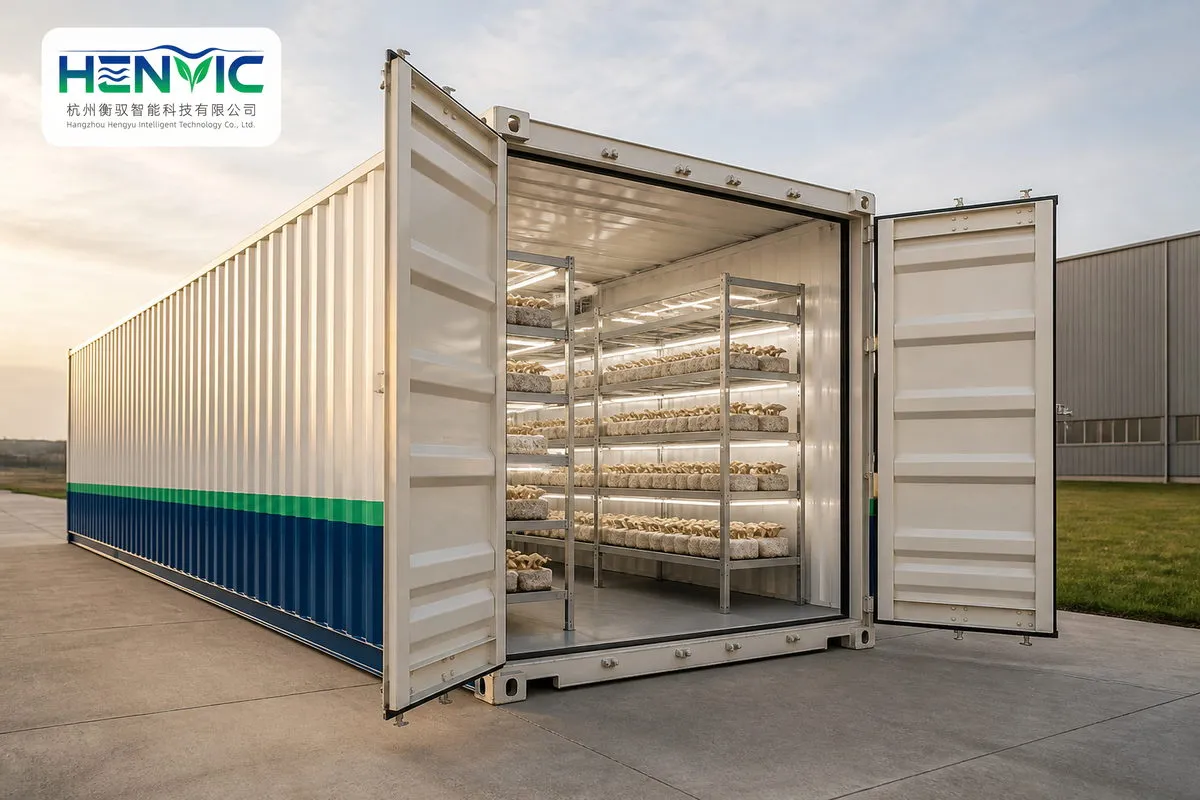
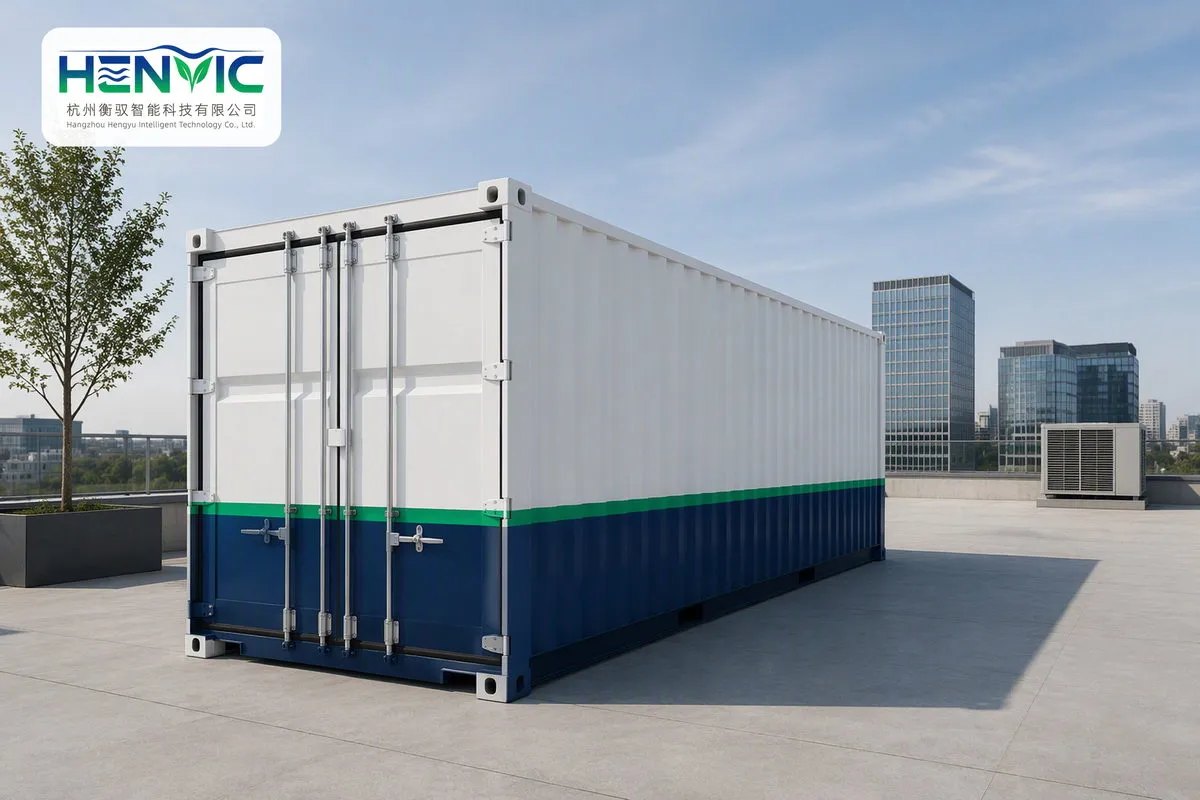
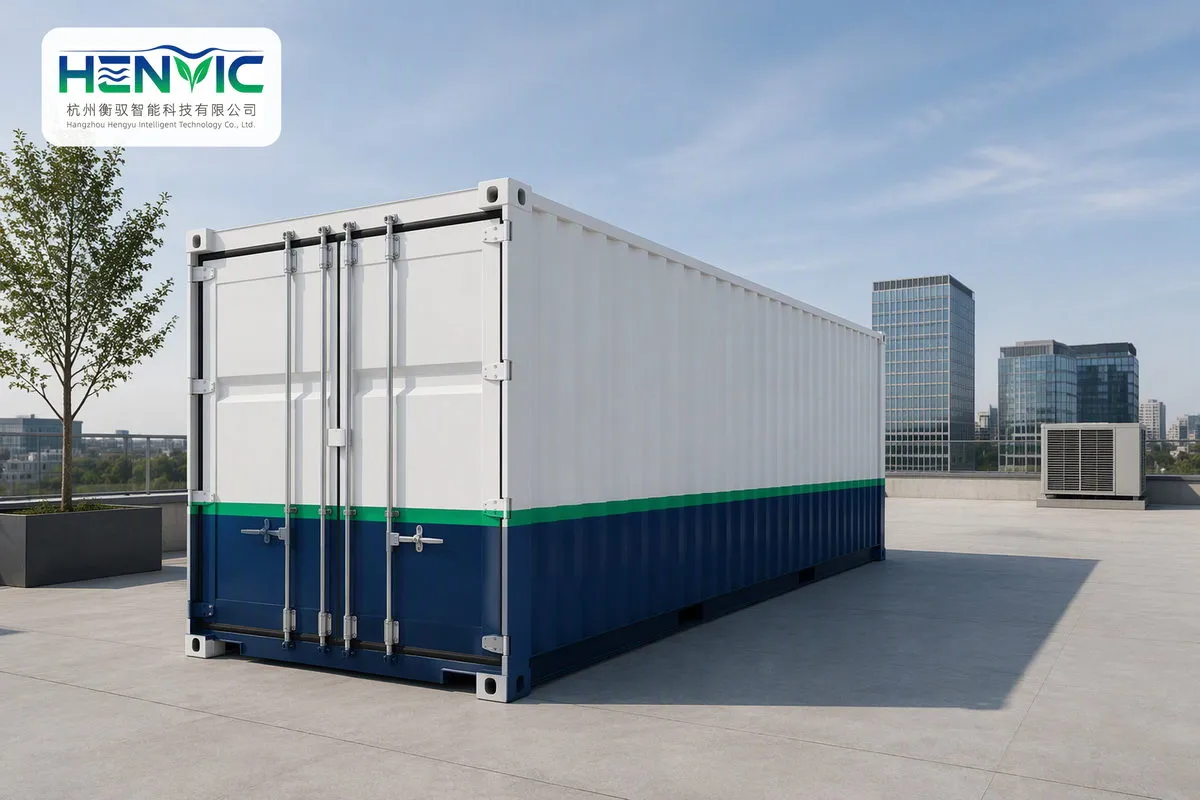
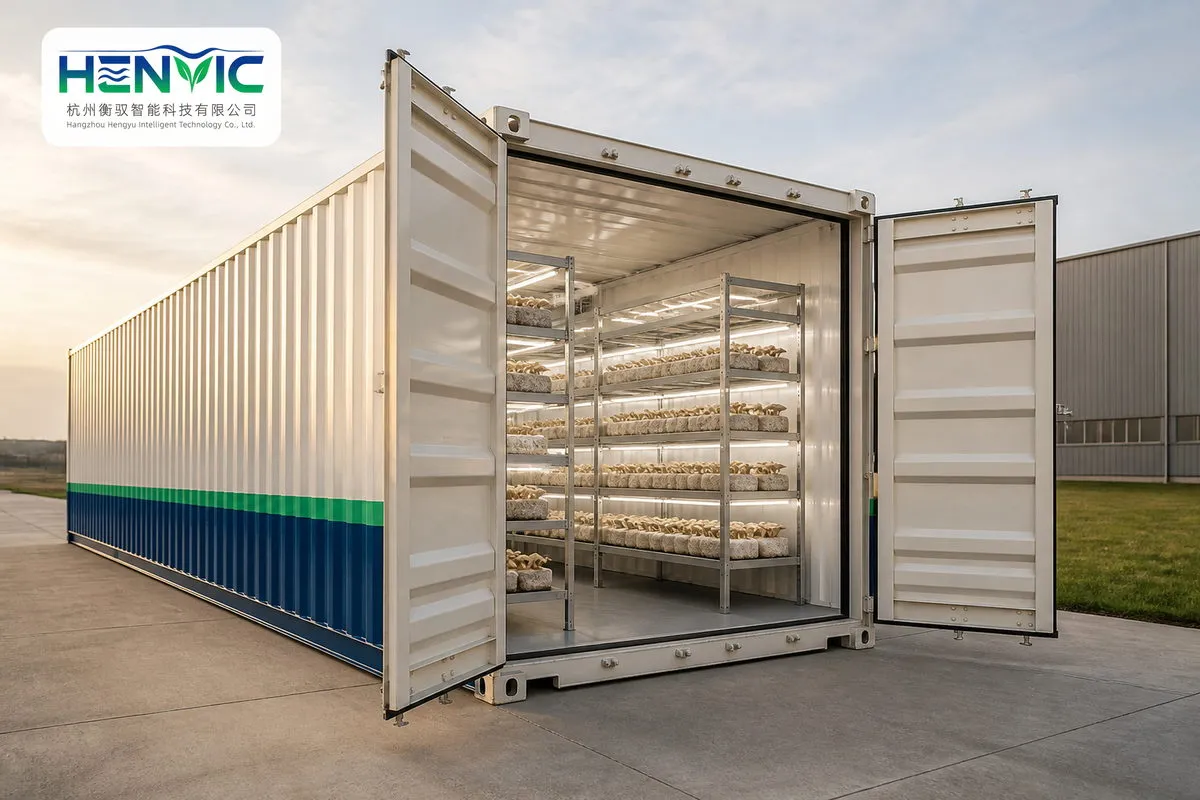
Vegetable cultivation containers represent a departure from traditional farming techniques by employing controlled environment agriculture (CEA) within enclosed structures, typically sized according to operational needs. These containers are designed to optimize every aspect of plant growth: light, temperature, humidity, and nutrient delivery are all meticulously managed, creating an ideal microclimate for vegetables to thrive year-round, regardless of external conditions.
Key Features and Benefits
Controlled Environment: By eliminating the unpredictability of weather and pests, container-grown vegetables can achieve consistent, high-quality yields. This independence from natural climate ensures a reliable supply, even in regions with challenging environmental conditions.
Water Efficiency:Container farming utilizes advanced irrigation systems like hydroponics and aeroponics, which significantly reduce water usage compared to conventional agriculture. These closed-loop systems recycle water, making them highly efficient and environmentally friendly.
Space Optimization: With the ability to stack containers vertically and cultivate multiple layers simultaneously, container farms maximize space utilization, making them ideal for urban areas where land is scarce.
Reduced Environmental Impact: The use of pesticides and fertilizers is minimized or eliminated in container systems, reducing chemical runoff and preserving soil health. Additionally, the potential for using renewable energy sources further decreases the carbon footprint.
Faster Growth Cycles: The controlled environment accelerates plant growth, permitting shorter cultivation cycles and quicker harvests. This efficiency enables farmers to respond rapidly to market demands.
Global Adoption and Case Studies
Several countries have embraced vegetable cultivation containers, integrating them into their agricultural sectors to enhance food security and environmental sustainability:
United States: Numerous startups and established agricultural companies have implemented container farms across the country, from urban centers to rural communities, to provide fresh produce year-round.
European Union: Nations like Germany, Netherlands, and Sweden are at the forefront of container farming, utilizing advanced technology to grow vegetables in extreme climates, proving the adaptability of the system.
Asia-Pacific: In countries such as Japan and Singapore, where arable land is limited, container farming has become a vital component of food production strategies, ensuring a steady supply of locally grown vegetables.
Challenges and the Path Forward
Despite its numerous benefits, container farming faces challenges, including high initial investment costs, the need for skilled labor to manage high-tech systems, and concerns about energy consumption. Addressing these issues requires ongoing technological advancements, government support, and public-private partnerships to make container farming more accessible and cost-effective.
The Future of Vegetable Cultivation Containers
Looking ahead, the integration of artificial intelligence, machine learning, and automation will further enhance the efficiency and scalability of container farming. Additionally, research into new crop varieties adapted to container environments and the development of more sustainable energy solutions will bolster the sector's growth.
Conclusion
Vegetable cultivation containers represent a beacon of innovation in global agriculture, offering a sustainable and efficient alternative to traditional farming methods. By leveraging technology to overcome environmental and spatial constraints, these systems have the potential to reshape the future of food production, ensuring a resilient and secure food supply for generations to come. As the world continues to face agricultural challenges, vegetable cultivation containers stand as a testament to human ingenuity and the pursuit of a sustainable, food-secure future.