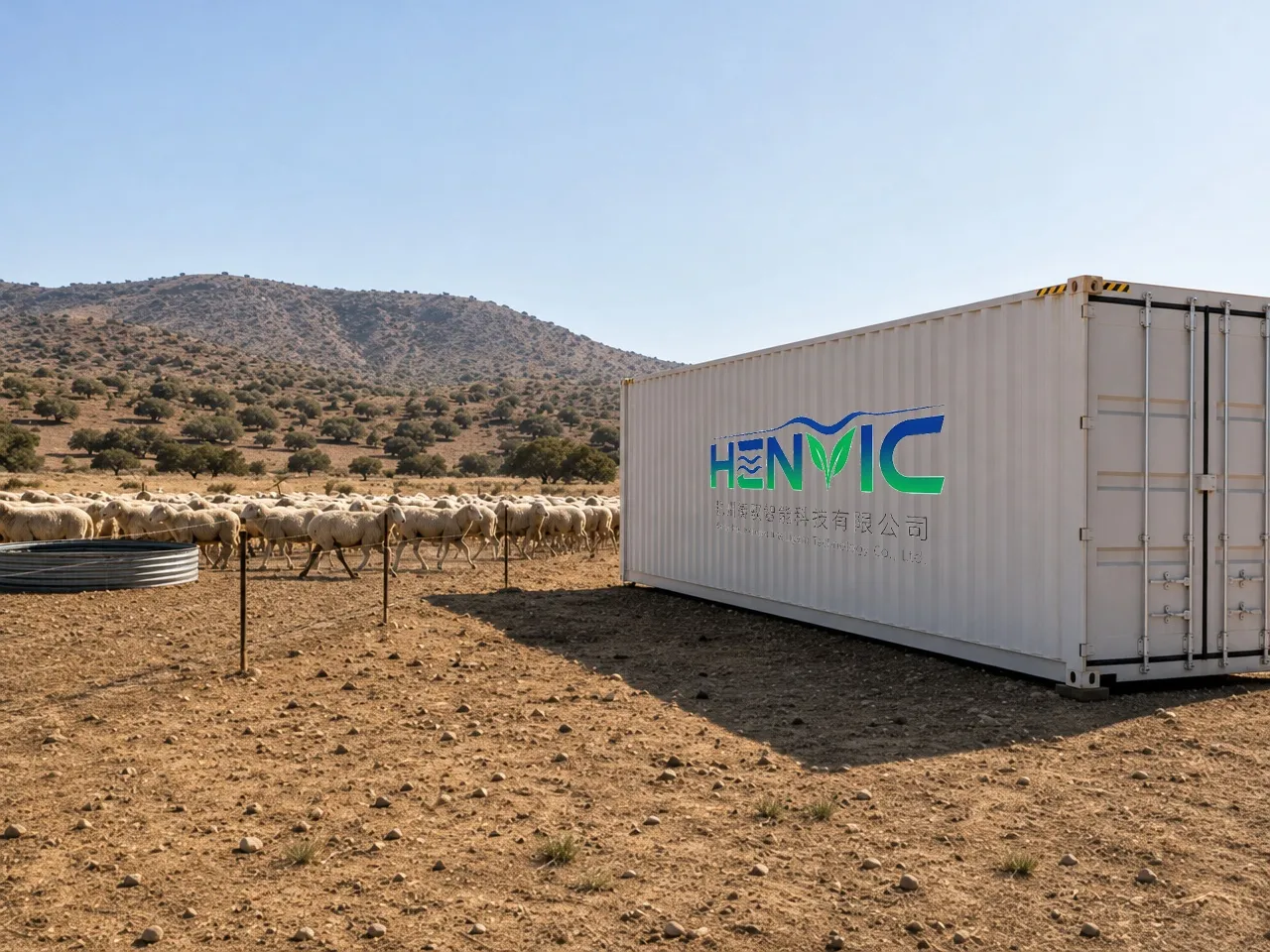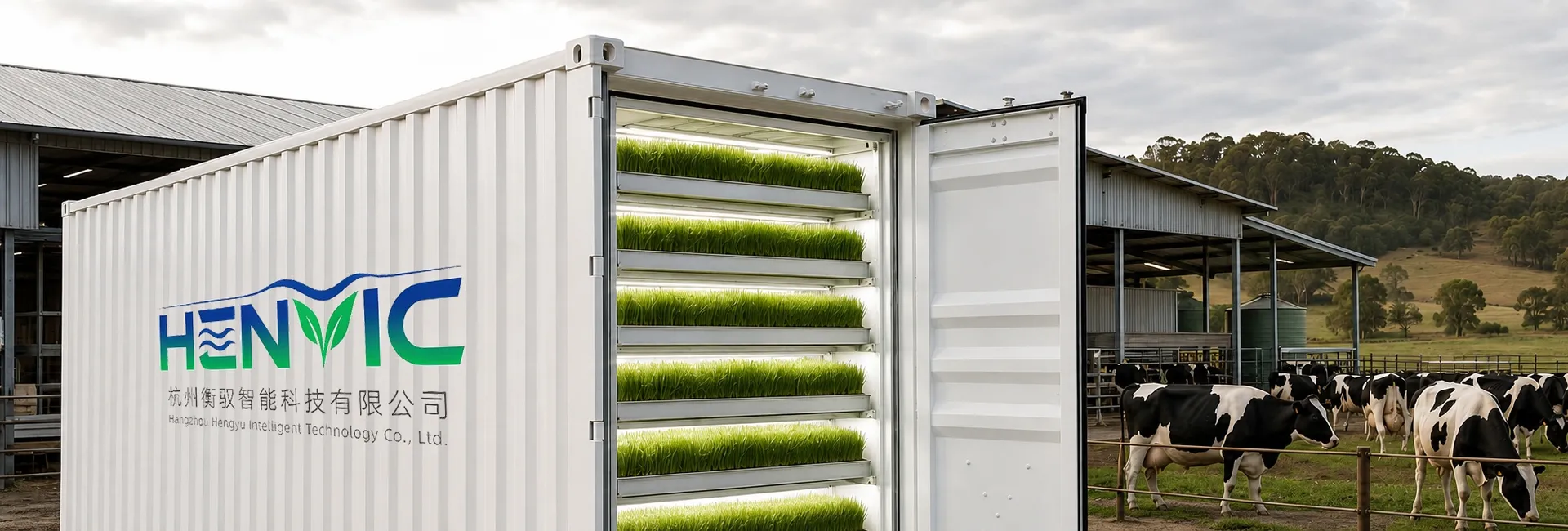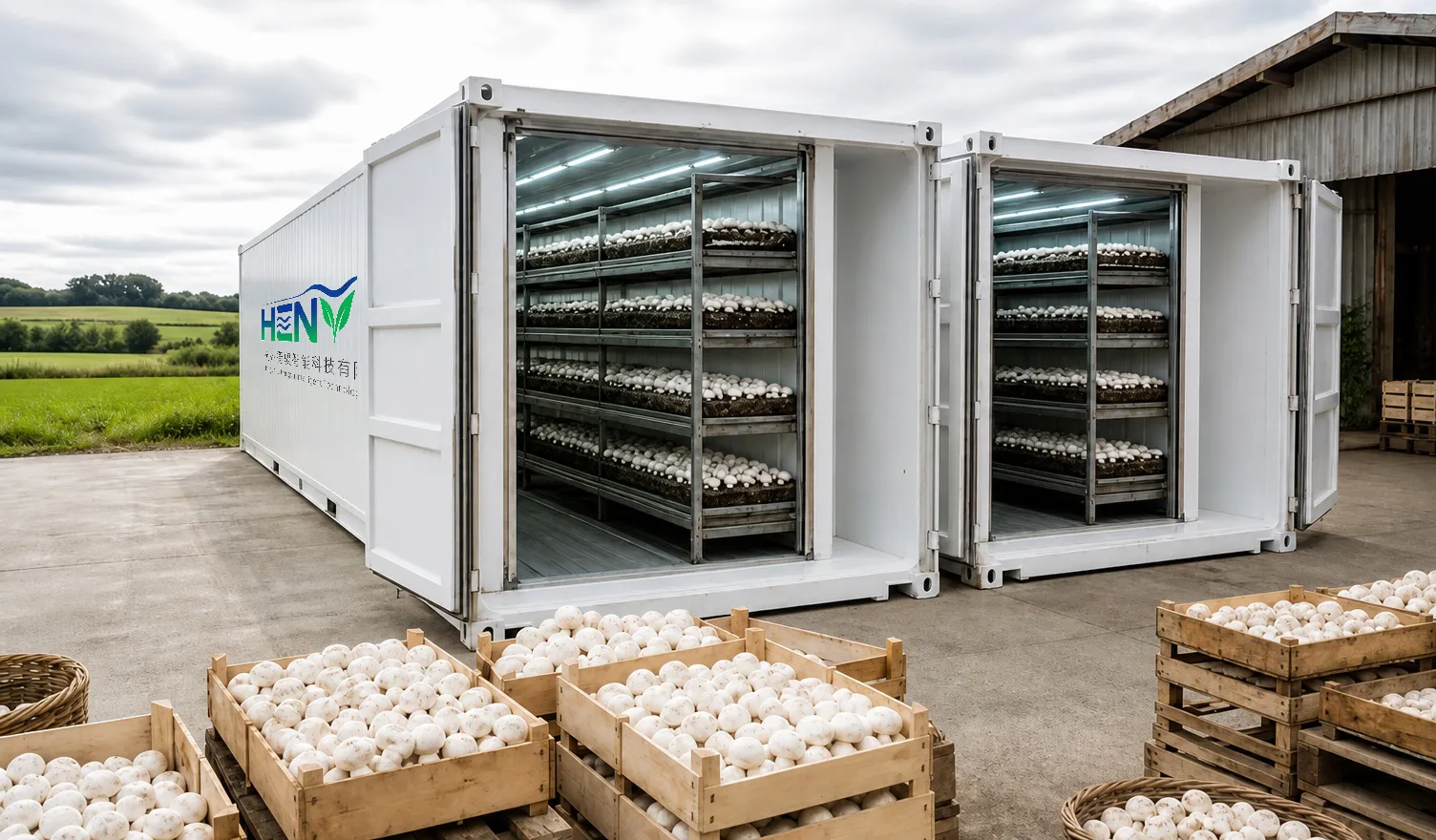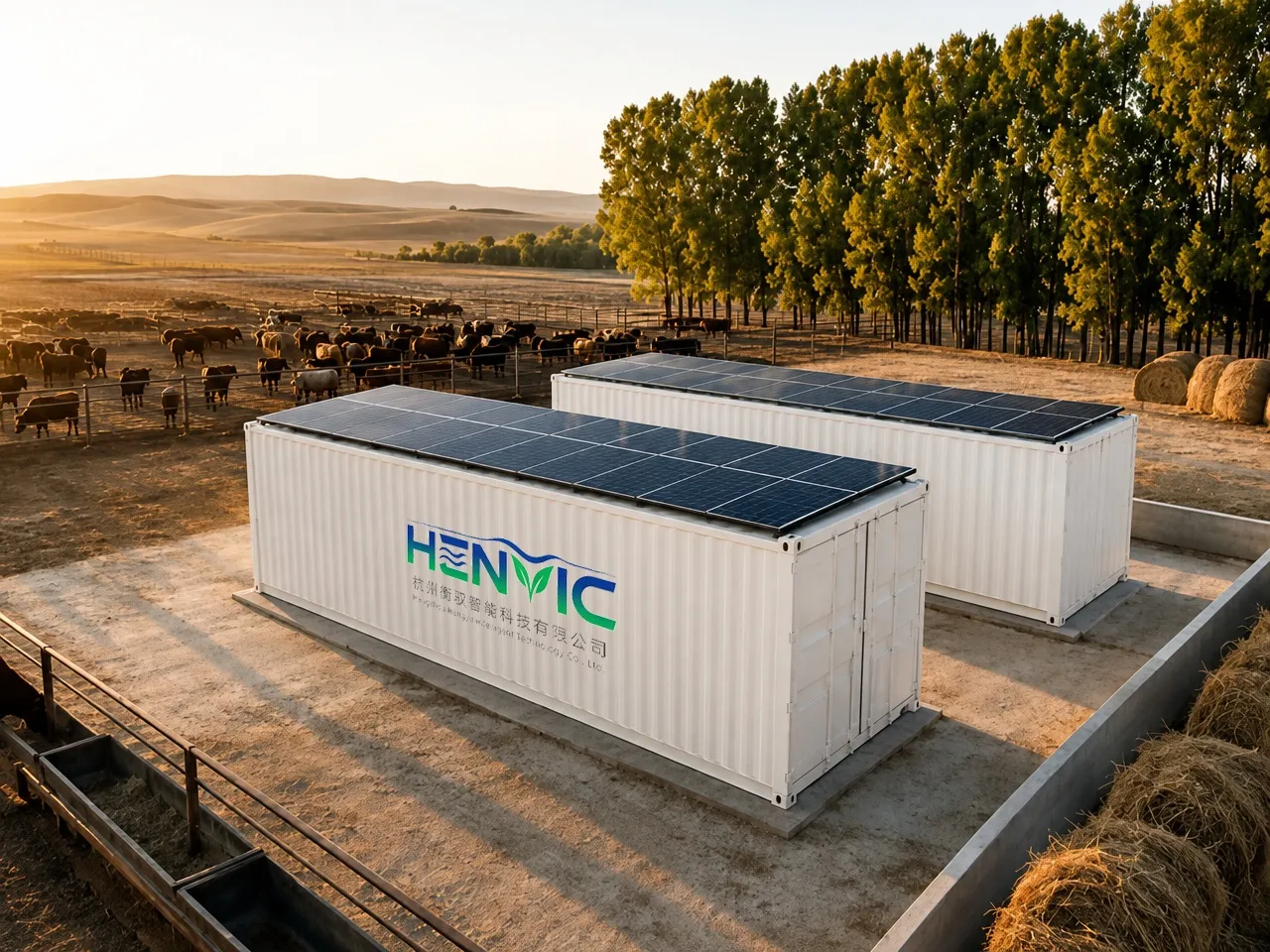
A shipping container is built to move cargo across oceans and then sit idle in a yard, stacked, waiting for a haulage booking. Repurposed as a growing environment, it does something the logistics industry never intended: it puts a field where there is no land. That shift — from stack to soil-free cultivation — is quietly rewriting where and how cities feed themselves.
The Container as a Unit of Agriculture
The appeal starts with the object itself. A standard 40-foot unit offers roughly 30 square metres of floor area, a rigid steel shell, standardized dimensions, and a global supply of used boxes available at scrap-adjacent prices. It is modular, stackable, shippable, and already designed to hold its own against weather. What it needs in return is insulation, sealing, lighting, climate control, and a growing system — all of which are now mature, off-the-shelf technologies.
That combination means a farm is no longer a piece of land. It is a unit of equipment. You buy it, deliver it, wire it, and start growing. The implication is straightforward: agriculture can follow demand into the city instead of waiting for the city to come to the field.
Breaking the Three Ties to Land
Conventional farming is bound by three constraints that cities cannot satisfy: soil, space, and season. Container farming severs all three.
Soilless cultivation — hydroponic or aeroponic — replaces ground with a recirculating nutrient solution, so soil quality and contamination become irrelevant. Vertical racking multiplies growing area inside a fixed footprint, so three to five crop layers fit where one would sit, and boxes can be stacked on top of each other. A sealed, climate-controlled envelope removes seasonality entirely, holding temperature, humidity, light, and CO₂ at setpoints regardless of what happens outside.
The result is that a rooftop, a parking lot, a disused loading dock, or the back of a distribution centre becomes a viable production site. Land that has no agricultural value suddenly has some.
Why Cities Are the Right Place for This
Moving production into the city solves a problem that has nothing to do with growing and everything to do with distance. Leafy greens, herbs, and microgreens are highly perishable; the value lost in transit — measured in days of shelf life and percentage of spoilage — is often larger than the cost of producing them.
A container farm next to a restaurant, a grocery chain, or a distribution hub collapses that distance to metres or kilometres. Harvest happens against demand rather than against a shipping calendar. Crops arrive with days more usable life, waste drops, and the supply chain becomes short enough to be legible. For retailers and food service operators, that predictability is often worth more than the produce itself.
There is also a resilience argument. A city with dozens of dispersed container units has food production distributed across its own footprint — not dependent on a single long logistics route, a single season, or a single region. It is not food security at scale, but it is production that cannot be interrupted by a border, a drought, or a fuel price spike in the same way a distant farm can.
What the Model Actually Requires
The container farm is not a solution that runs itself, and glossing over its demands would misrepresent the technology.
It requires reliable, affordable electricity. Lighting, cooling, dehumidification, and pumping run continuously, and energy is the dominant operating cost — the box is closer to a factory than a field in its cost structure. It requires water and a steady supply chain for nutrients, growing media, and replacement components. It requires skilled operators who understand both plant physiology and control systems, a labour profile that overlaps with horticulture and industrial maintenance rather than either alone.
It also requires crops that make economic sense. Fast-turn, high-value, compact produce — leafy greens, herbs, microgreens, strawberries, specialty seedlings — justifies the energy bill. Commodity field crops do not. The container farm is not competing with grain agriculture; it is competing with the cold chain and the last hundred kilometres of the fresh-produce supply chain.
From Yard to Field: What Changes, and What Doesn't
What changes is the geography of production. Land ceases to be the binding constraint. Seasonality ceases to be a scheduling factor. Proximity to the consumer becomes an input rather than an afterthought. A city can grow a meaningful share of its perishable greens inside its own boundaries, and a grower can site production where the market is rather than where the soil happens to be good.
What does not change is that farming still requires capital, labour, knowledge, and disciplined operations. The container does not make agriculture easy; it makes it location-independent. The economics still have to work, the crops still have to sell, and the equipment still has to be maintained.
That is the honest version of the shift. The container is not a miracle box that turns scrap steel into free food. It is a standardized, controllable, relocatable production unit — and by removing the three ties that bound farming to land, space, and season, it allows urban agriculture to move from demonstration projects and rooftop gardens toward something closer to a genuine industry. From the yard to the field, the distance is short. The consequences for how cities supply themselves are considerably longer.