Introduction
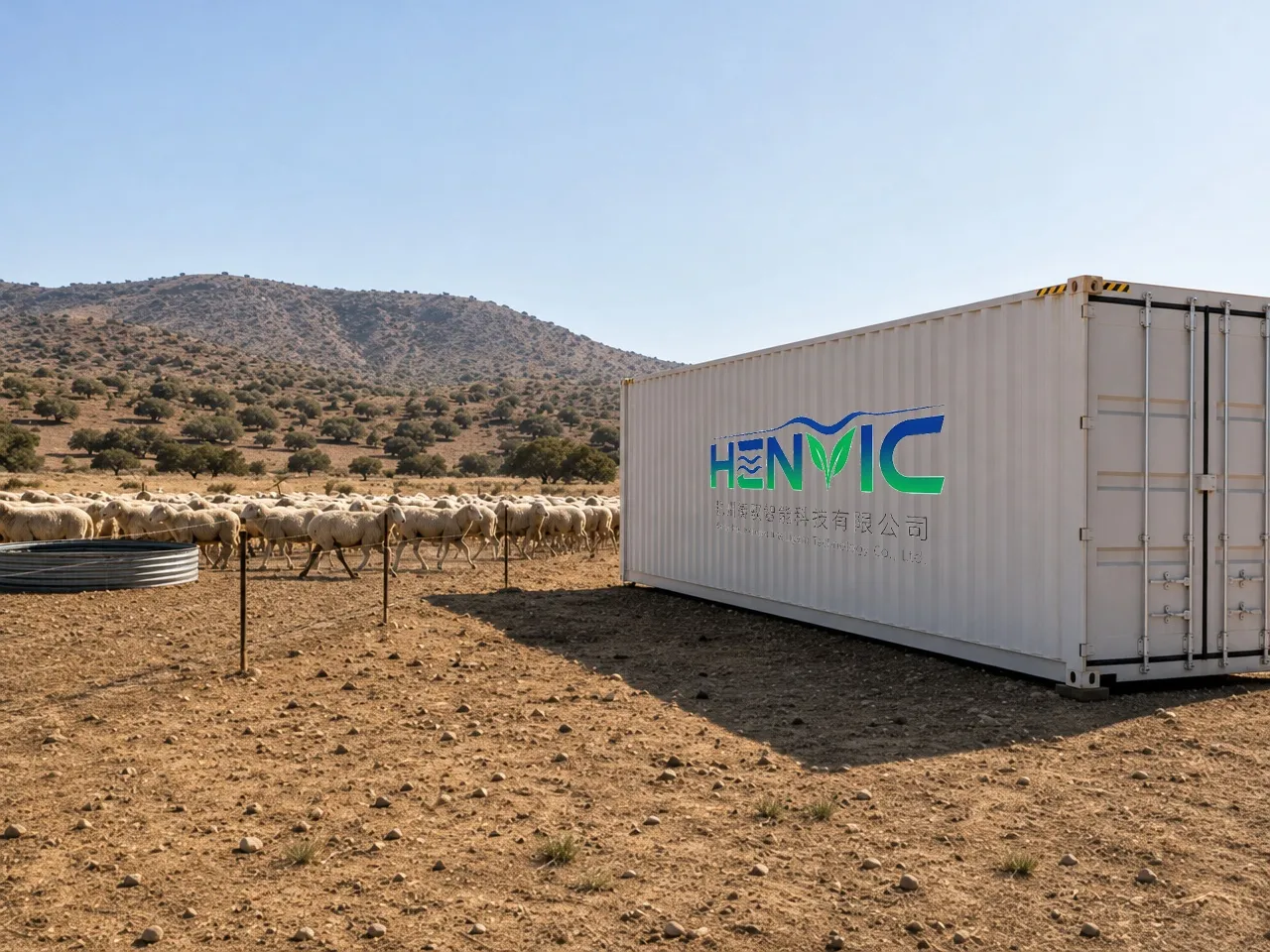
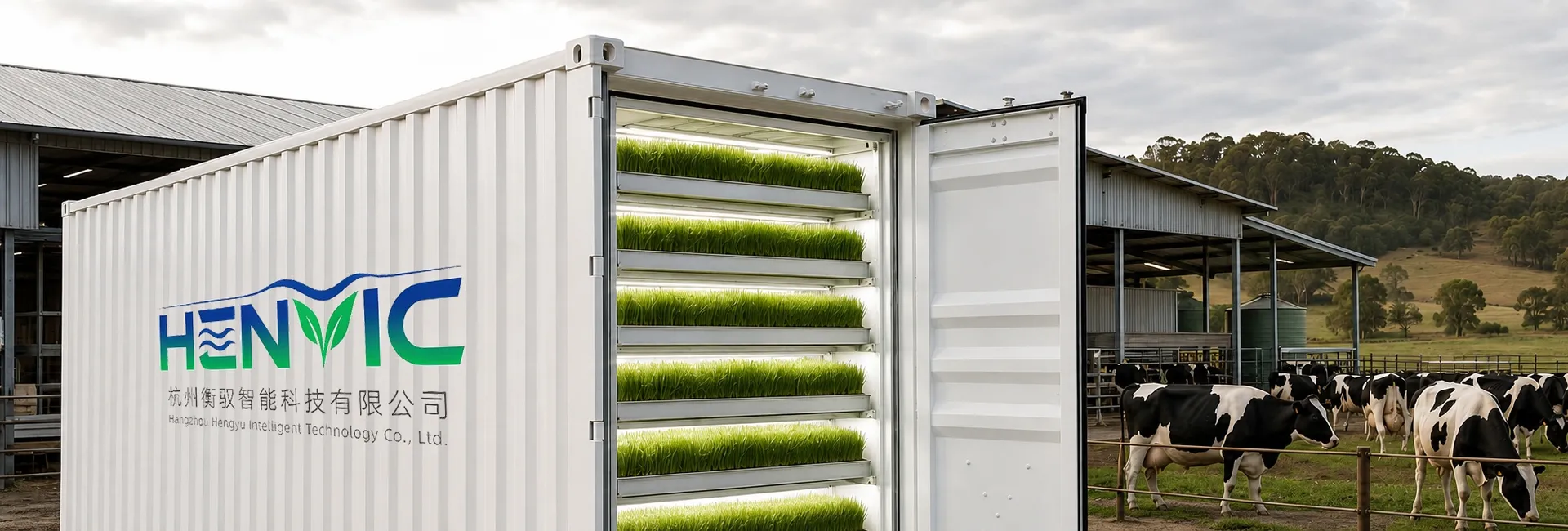
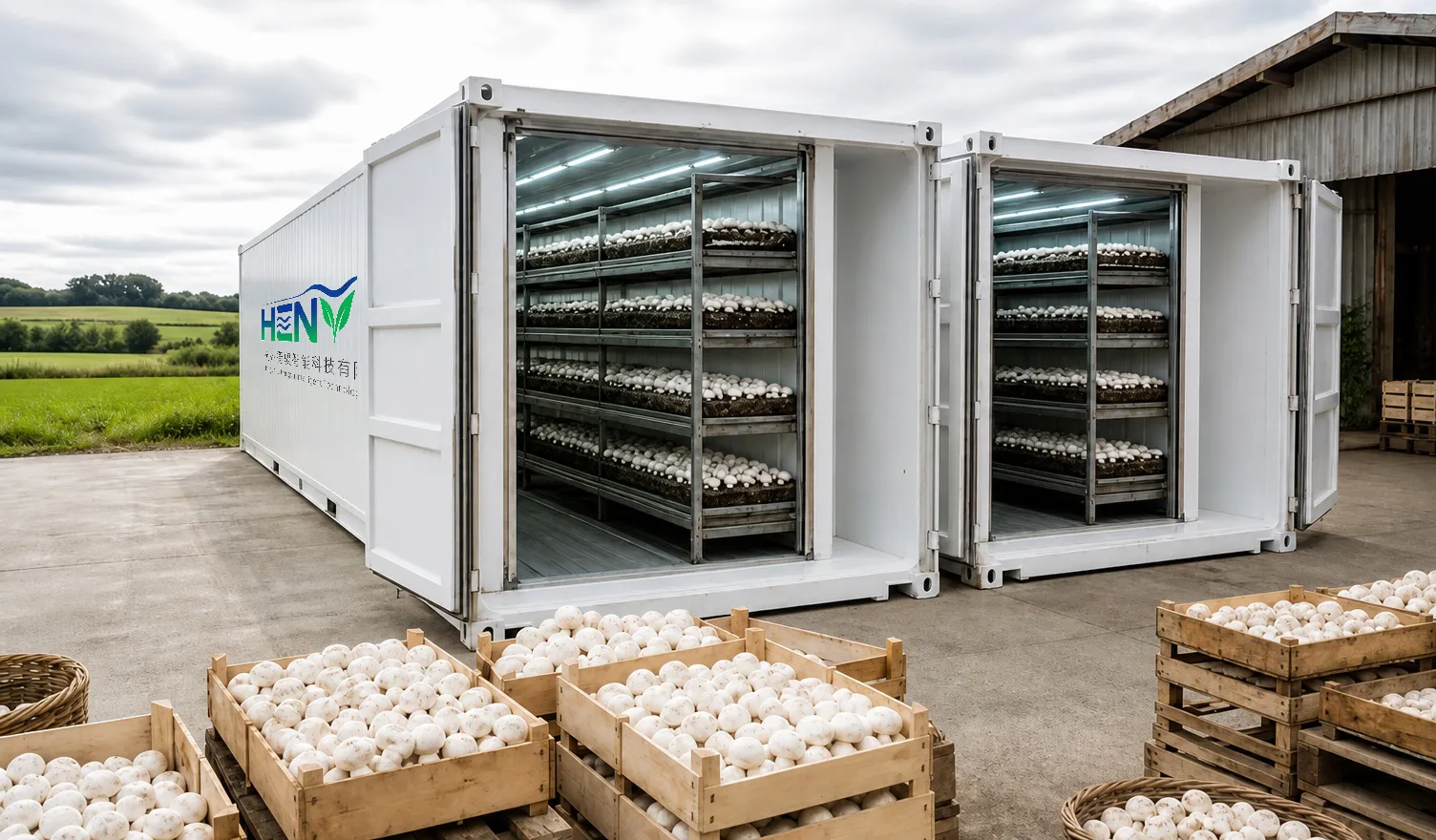
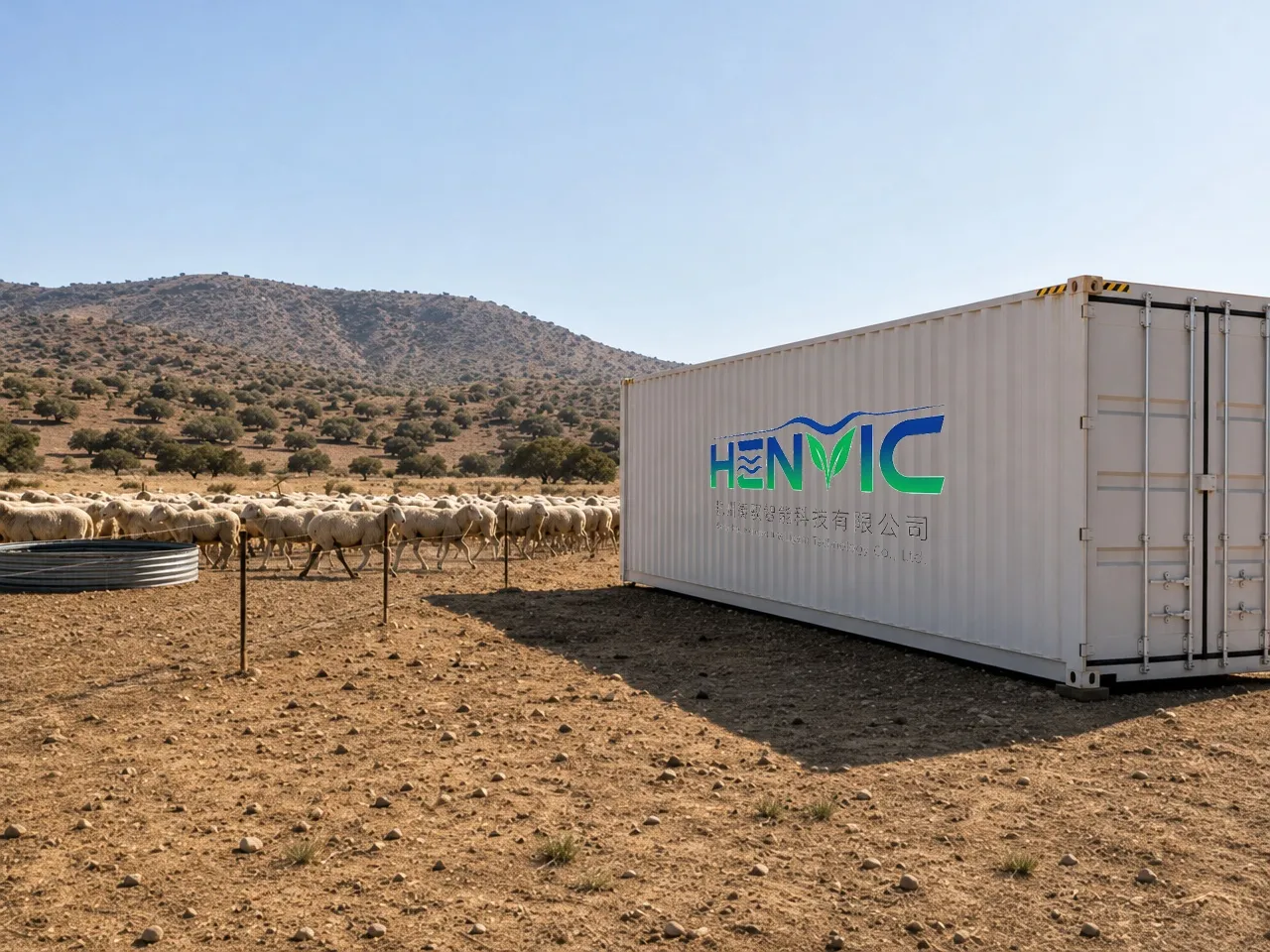
A smart cultivation pod is a self-contained, environmentally controlled growing system designed to provide optimal conditions for plant growth regardless of external climate, geography, or seasonal constraints. Built from modified shipping containers, purpose-fabricated enclosures, or modular structural panels, these pods integrate advanced sensors, automated climate control, precision lighting, and intelligent irrigation to create a fully autonomous microclimate suitable for leafy greens, herbs, specialty mushrooms, microgreens, and small fruiting crops.
As global agriculture faces mounting pressures from climate change, land scarcity, and supply chain vulnerabilities, smart pods represent a paradigm shift toward localized, resource-efficient, and year-round food production. This article provides a technical overview of smart cultivation pod systems, covering core engineering principles, system architecture, environmental control mechanisms, automation platforms, and emerging innovations.
1. Core Concept and System Definition
1.1 What Is a Smart Cultivation Pod?
A smart cultivation pod can be defined as a modular, enclosed growing environment in which every critical environmental parameter—temperature, humidity, light, carbon dioxide concentration, airflow, nutrient delivery, and pH—is continuously monitored and autonomously adjusted to match the precise biological requirements of a target crop. Unlike conventional greenhouses, which rely on passive environmental buffering and manual intervention, smart pods operate as closed-loop systems with real-time feedback control, enabling consistent, repeatable, and predictable cultivation outcomes.
The pod concept borrows from several established disciplines:
- Controlled-environment agriculture (CEA): The systematic management of environmental factors to optimize plant growth.
- Precision agriculture: Data-driven, variable-rate management of inputs based on real-time monitoring.
- Modular engineering: Standardized, scalable system design that allows rapid deployment and reconfiguration.
1.2 Key Advantages Over Conventional Systems
| Dimension | Smart Pod | Conventional Greenhouse | Open Field |
|---|---|---|---|
| Climate independence | Complete | Partial | None |
| Water efficiency | 85–95% (closed-loop) | 40–60% | 20–40% |
| Land use efficiency | 5–10× (vertical stacking) | 1× | 1× |
| Seasonal production | Year-round | Season-dependent | Season-dependent |
| Labor intensity | Minimal (automated) | Moderate | High |
| Crop uniformity | High | Variable | Low |
| Pest/disease exposure | Minimal (sealed) | Moderate | High |
2. System Architecture
A smart cultivation pod consists of five interconnected subsystems: structural envelope, climate control, lighting, water and nutrient delivery, and intelligent control.
2.1 Structural Envelope
The outer shell is typically a modified ISO-standard shipping container (20 ft: 6.1 m × 2.44 m × 2.59 m) or a custom-fabricated steel or composite structure. The interior is lined with high-performance thermal insulation—polyurethane foam, extruded polystyrene, or aerogel panels—achieving R-values between 2.5 and 4.5 m²·K/W. This insulation minimizes heat gain in summer and heat loss in winter, significantly reducing the energy demand on the HVAC system.
Access points include insulated personnel doors, transparent viewing windows, and utility pass-throughs for electrical, water, and drainage lines. The seal integrity is maintained through gasketing and positive-pressure ventilation, preventing the ingress of airborne pathogens, dust, and insect pests.
2.2 Vertical Racking System
To maximize productivity per unit footprint, pods employ vertically stacked growing tiers—typically four to eight levels per container. Each tier supports growing trays, lighting fixtures, and irrigation lines. The tier spacing (30–60 cm) is optimized for canopy height, light penetration, and air circulation. Industrial aluminum extrusions or stainless steel frames provide the necessary structural strength, with load capacities exceeding 50 kg/m² per tier.
2.3 Climate Control Subsystem (HVAC)
The HVAC system is the most energy-intensive component, responsible for maintaining temperature within ±0.5°C and humidity within ±2% RH of the setpoint.
- Cooling: Refrigeration units or chilled-water systems remove heat generated by lighting, plant transpiration, and external gains. Typical cooling capacity ranges from 5 to 10 kW per 20 ft container, depending on lighting load and insulation quality.
- Heating: Electric heaters, hot-water coils, or heat pumps maintain minimum temperatures. Heat recovery from the cooling system can reduce heating demand by 30–50% in temperate climates.
- Dehumidification: Refrigeration-based dehumidifiers or desiccant wheels remove excess moisture from transpiration, preventing fungal disease and condensation.
- Air circulation: Axial fans create gentle laminar flow across all tiers, ensuring uniform distribution of CO₂, heat, and humidity.
- CO₂ enrichment: CO₂ injection maintains elevated levels (800–1500 ppm) to boost photosynthetic rates, particularly during the light period.
2.4 LED Lighting System
Full-spectrum LED arrays have become the industry standard, replacing older fluorescent and high-pressure sodium systems.
- Spectrum: White LEDs (CRI ≥ 90) supplemented with red (660 nm) and blue (450 nm) diodes, tuned to match the photosynthetic efficiency curve of target crops.
- Intensity: PPFD levels range from 150–300 µmol/m²/s for leafy greens to 400–800 µmol/m²/s for fruiting crops.
- Efficiency: Modern LED fixtures achieve 2.5–3.5 µmol/J with lifespans exceeding 50,000 hours.
- Dynamic control: Programmable photoperiods, dimming, and spectral adjustment allow fine-tuning for different growth stages.
2.5 Water and Nutrient Delivery System
The hydroponic subsystem delivers water and dissolved nutrients directly to the root zone with minimal waste.
- Reservoir: 200–500 L food-grade HDPE or stainless steel tank.
- Circulation: Variable-speed diaphragm or centrifugal pumps deliver nutrient solution through distribution manifolds.
- Delivery methods: NFT (nutrient film technique), drip irrigation, aeroponics (high-pressure misting), or deep water culture (DWC).
- Recirculation: Closed-loop systems capture and reuse runoff, achieving water use efficiency of 90–95%.
- Treatment: UV sterilization or ozone treatment controls pathogens in recirculating water. Mechanical filters remove particulate matter.
2.6 Sensor Network
A distributed array of sensors provides real-time environmental data:
- Temperature and humidity: Capacitive RH sensors (±2%) and RTD/thermocouple temperature sensors (±0.1°C) at multiple vertical levels.
- CO₂: NDIR sensors (±50 ppm).
- Light: Quantum/PAR sensors (±5 µmol/m²/s).
- Nutrient solution: Inline pH (±0.1) and EC/TDS (±0.1 mS/cm) probes.
- Water level: Ultrasonic or float sensors for reservoir monitoring.
2.7 Control System
An industrial PLC or embedded microcontroller runs the cultivation software, executing:
- Closed-loop PID or model predictive control for temperature, humidity, and CO₂.
- Automated irrigation and nutrient dosing based on EC/pH feedback.
- Alarm management for out-of-range conditions.
- Data logging and trend analysis.
- Cloud-based remote monitoring via IoT connectivity.
- Crop recipe management—pre-programmed environmental profiles for each plant type.
3. Environmental Engineering Principles
3.1 Energy Balance
The thermal load within a pod is dominated by three sources: lighting (0.7–0.8 W heat per watt of LED power), plant transpiration (latent heat removal via dehumidification), and external heat gain (solar radiation and ambient temperature). Insulation and efficient HVAC design are critical to minimizing the overall energy demand.
3.2 Vapor Pressure Deficit (VPD) Management
VPD—the difference between the moisture the air can hold at a given temperature and the moisture it currently holds—is a critical driver of plant physiology. Most leafy greens thrive at VPD of 0.8–1.2 kPa (temperature 18–22°C, RH 65–75%). Smart pods actively manage VPD by modulating temperature, humidity, and airflow to maintain optimal transpiration rates.
3.3 Airflow Uniformity
Uniform airflow ensures consistent delivery of CO₂ and O₂ to all plants, prevents microclimate formation, and reduces disease pressure. Computational fluid dynamics (CFD) modeling is often used during pod design to optimize duct placement and fan configuration, achieving vertical and horizontal uniformity within 10% variation.
4. Crop Suitability and Cultivation Protocols
Smart pods are best suited for crops with:
- Short life cycles (30–70 days)
- Compact growth habit
- High value per unit area
- Tolerance to controlled environments
Ideal crops: Lettuce, spinach, kale, arugula, basil, cilantro, microgreens, strawberries, cherry tomatoes (dwarf varieties).
Each crop has a standardized "recipe" that specifies temperature, humidity, light intensity, CO₂, nutrient EC/pH, and watering schedule. These recipes are stored in the control system and can be refined based on performance data, allowing continuous process optimization.
5. Operational Performance and Scalability
A single 20 ft smart pod can produce approximately 1,500–2,500 kg of leafy greens per year, depending on crop density and environmental efficiency. Scalability is achieved through horizontal expansion (adding more pods side by side) and vertical integration (stacking pods on reinforced frames). A farm with 12 pods can produce 24,000–30,000 kg annually with only 2–3 operators.
Key operational metrics include:
- Electricity consumption: 8–12 kWh per pod per day (lighting 50–60%, HVAC 30–40%, pumps 10%).
- Water consumption: 500–2,000 L per day per pod (closed-loop minimizes waste).
- Labor intensity: 70% lower than equivalent greenhouse operations.
- Year-round production: 6–8 crop cycles per pod per year for leafy greens.
6. Challenges and Future Directions
6.1 Energy Efficiency
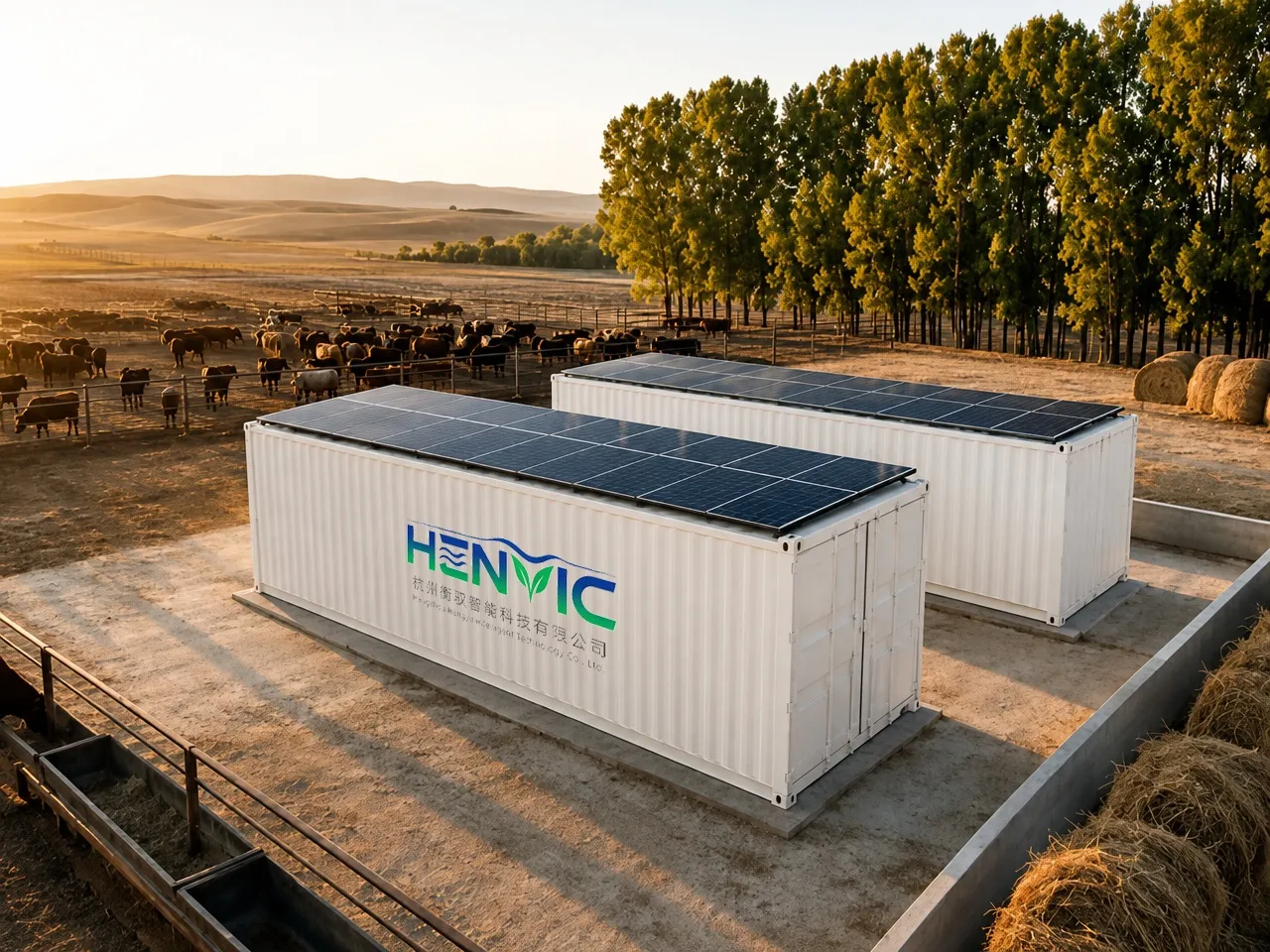
The primary operational cost is electricity, driven by lighting and climate control. Future advances in LED efficacy (>5 µmol/J), heat recovery systems, and integration with on-site solar/wind generation will continue to improve the economic case.
6.2 AI and Digital Twins
Artificial intelligence and digital twin technology are being integrated into pod control systems to create real-time virtual replicas of the physical growing environment. These models enable predictive optimization, anomaly detection, and automated recipe adjustment based on multi-year performance data.
6.3 Multi-Crop and Rotational Systems
Advanced pods are being designed to grow different crops in separate zones within the same unit, or to rotate crops seasonally, increasing throughput and diversifying risk.
6.4 Sustainability Integration
Water recycling, composting of crop waste, and integration with local renewable energy microgrids are increasingly standard features in next-generation pod designs, aligning the technology with circular economy principles.
6.5 Space and Extreme Environment Applications
NASA, ESA, and private aerospace companies are testing smart pod technology for long-duration space missions, where every square meter and every liter of water is critical. Terrestrial applications in deserts, polar regions, and urban food deserts are also expanding rapidly.
Conclusion
Smart cultivation pod technology represents a convergence of precision agriculture, modular engineering, and autonomous control systems. By creating sealed, climate-controlled environments that precisely match plant biology, these systems offer a viable path toward localized, sustainable, and climate-resilient food production. While challenges remain—particularly energy costs and crop limitations—the rapid advancement of LED efficiency, AI-driven optimization, and renewable energy integration is steadily improving the technology's economic and environmental performance. As the global population continues to urbanize and climate pressures intensify, smart pods are poised to become a mainstream component of the future food system, delivering fresh, nutritious produce year-round with minimal land, water, and labor footprint.